




 Send Inquiry
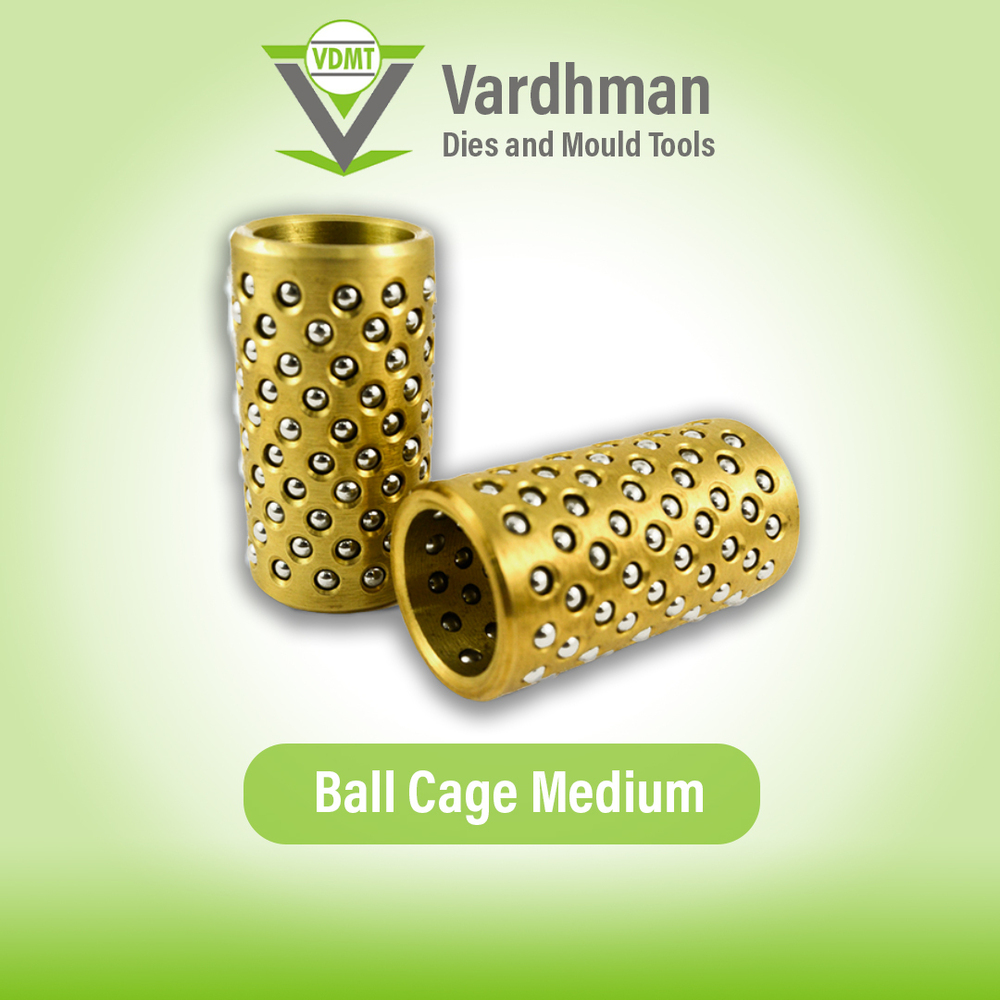
Brass Ball Cage
Price 50 INR/ Piece
MOQ : 25 Pieces
Brass Ball Cage Specification
- Core Material
- brass
- Mould Base
- Round
- Usage
- Industries
- Material
- Other
- Size
- Surface Finish: 0.3 micron -.04 micron
- Product Type
- Brass Ball Cage
- Die Head
- round
- Color
- Brass
- Length
- 50 mm / 70 mm / 80 mm / 100 mm Millimeter (mm)
Brass Ball Cage Trade Information
- Minimum Order Quantity
- 25 Pieces
- Payment Terms
- Cash Advance (CA), Cash in Advance (CID), Cheque
- Supply Ability
- 1000 Pieces Per Month
- Delivery Time
- 7 Days
- Packaging Details
- Carton packaging / As per client's requirement.
- Main Domestic Market
- All India
- Certifications
- We provide Test & hardness Certificate also Nsic and ISO Certified.
About Brass Ball Cage
Brass Ball Cages are precision components designed for guiding and holding ball bearings in linear motion and rotational systems. Known for their excellent strength, corrosion resistance, and thermal conductivity, these cages are ideal for a variety of industrial applications where durability and precision are paramount. Brass ball cages are preferred in environments requiring low maintenance and high reliability, offering seamless operation in high-performance systems.
Key Features of Brass Ball Cages
-
Superior Durability
- Made from high-quality brass, ensuring long service life even under demanding conditions.
-
Corrosion Resistance
- Highly resistant to rust and chemical exposure, suitable for harsh environments.
-
Excellent Thermal Conductivity
-
- Efficient in heat dissipation, preventing system overheating.
-
Noise Reduction
- Brass offers natural damping properties, minimizing operational noise.
-
Customizable Configurations
- Available in various sizes, designs, and ball configurations to suit specific applications.
-
Applications of Brass Ball Cages
-
Tooling and Machinery
- Widely used in guiding systems of precision tooling and heavy machinery.
-
Automotive Components
- Integral to steering systems, gearboxes, and suspension systems.
-
Aerospace Applications
- Preferred for lightweight and durable guiding solutions in aircraft systems.
-
Medical Equipment
- Commonly used in high-precision medical devices for smooth operation.
-
Robotics and Automation
- Ensures precision movement in robotic arms and automated systems.
-
Electrical Applications
- Reliable in electrical components due to excellent conductivity and heat resistance.
Advantages of Brass Ball Cages
-
High Load Capacity
- Can withstand significant loads without deformation or failure.
-
Corrosion and Wear Resistance
- Provides extended life in both dry and lubricated environments.
-
Ease of Maintenance
- Brasss natural anti-corrosion properties reduce the need for frequent maintenance.
-
Enhanced System Performance
- Offers smooth motion with minimal friction and noise.
-
Versatility
- Suitable for both low and high-speed applications.
Versatile Design and Build
The Brass Ball Cage features a robust round mould base and die head, suitable for a wide range of industrial systems. Its precision engineering guarantees compatibility and effective load management, making it a choice component in demanding settings.
Superior Surface Finish
A key highlight of this product is its exceptional surface finish, ranging from 0.3 micron to 0.04 micron. Such fine detailing minimizes friction, enhances movement smoothness, and contributes to extended equipment longevity in varied industrial operations.
Available Lengths and Applications
Offered in various lengths, including 50 mm, 70 mm, 80 mm, and 100 mm, the Brass Ball Cage fits diverse machinery specifications. Its reliability ensures seamless usage in manufacturing, automotive, and other industrial segments, fostering efficient operation.
FAQs of Brass Ball Cage:
Q: How is the Brass Ball Cage typically installed in industrial equipment?
A: The Brass Ball Cage is designed for easy installation into round die heads and mould bases. Fitment usually involves inserting the cage within a pre-machined slot or cavity in the equipment, securing it to allow smooth ball movement and proper alignment.Q: What are the primary uses of a Brass Ball Cage in industries?
A: Brass Ball Cages are commonly utilized to support and guide moving components in machines, reducing friction and wear. They are essential in applications such as jigs, fixtures, and automated systems, where precision and durability are critical.Q: When should I consider replacing a Brass Ball Cage?
A: Replacement is recommended when you observe increased friction, signs of wear, or irregular motion within your machinery. Regular maintenance checks can help identify when the ball cage should be changed to uphold efficient performance.Q: Where is the Brass Ball Cage manufactured and exported from?
A: Our Brass Ball Cages are manufactured in India, where we also serve as exporters, suppliers, and traders to a broad international market, ensuring reliable global delivery.Q: What processes are involved in achieving the 0.30.04 micron surface finish?
A: The surface finish of 0.30.04 micron is accomplished through precision machining and fine polishing. These processes refine the brass surface, guaranteeing minimal roughness and optimal interaction with moving components.Q: How does using a brass core material benefit industrial applications?
A: Brass provides excellent corrosion resistance, high strength, and low friction characteristics. These properties extend the operational life of the ball cage while ensuring consistent performance under demanding industrial conditions.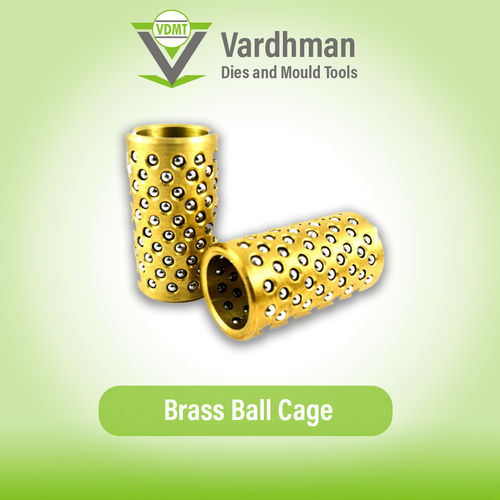
Tell us about your requirement

Price:
Quantity
Select Unit
- 50
- 100
- 200
- 250
- 500
- 1000+
Additional detail
Mobile number
Email

More Products in Ball Cage Category
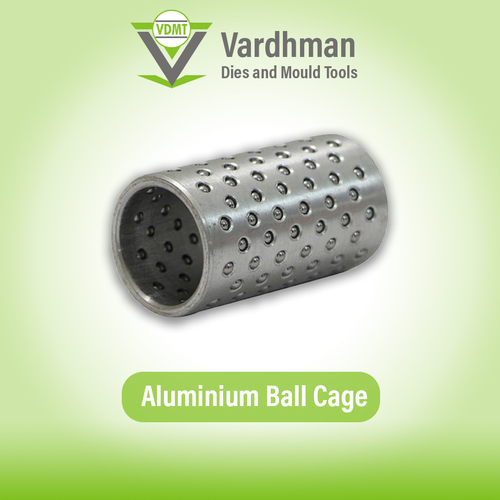
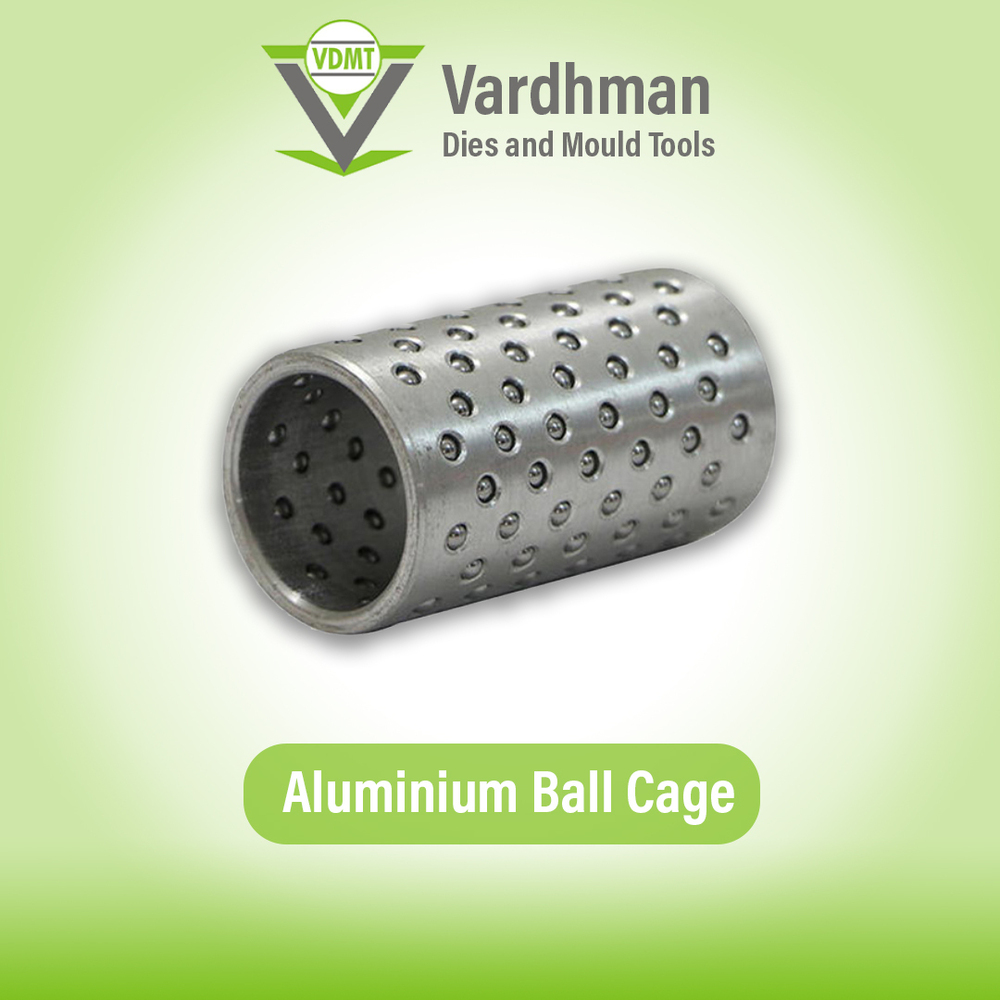
Aluminium Ball Cage
Price 50 INR / Piece
Minimum Order Quantity : 25 Pieces
Usage : Industries
Color : Silver
Product Type : Aluminium Ball Cages
Size : Surface Finish: 0.3 micron .04 micron
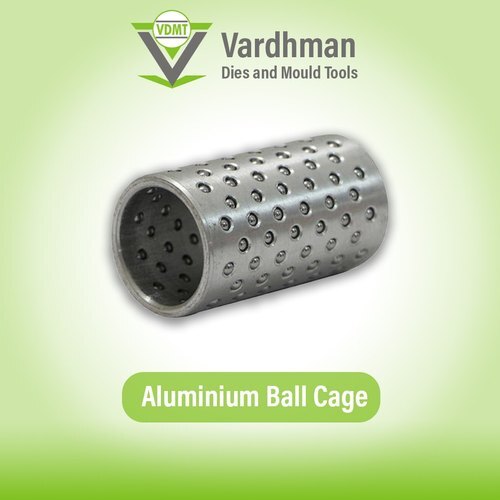
Aluminum Cylindrical Ball Cage
Price 50 INR
Minimum Order Quantity : 250 Pieces
Usage : Industries
Color : Silver
Product Type : Aluminum Cylindrical Ball Cage
Size : Surface Finish: 0.3 micron .04 micron
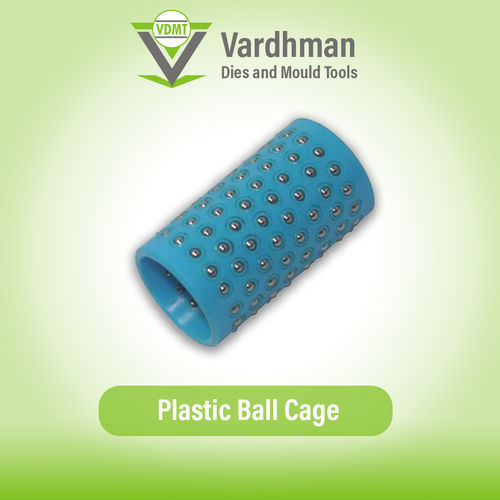
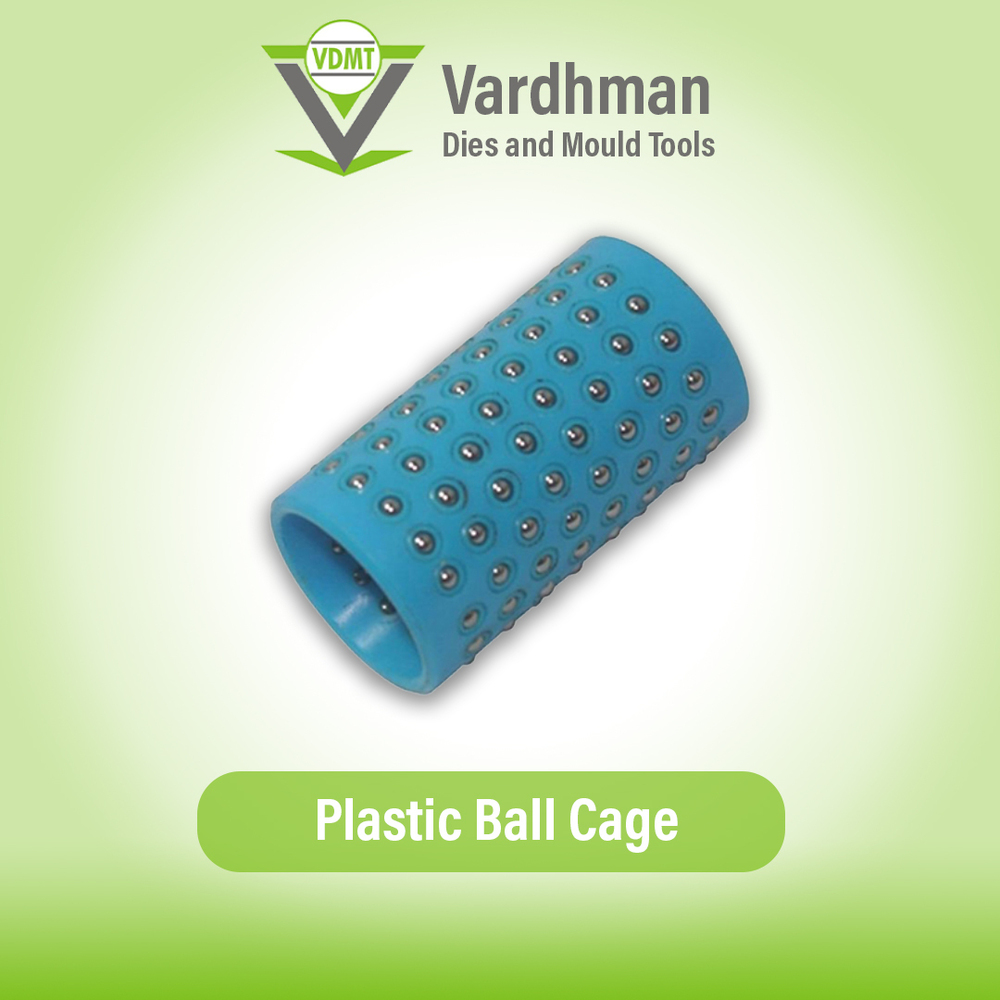
Plastic Ball Cage
Price 50 INR / Piece
Minimum Order Quantity : 25 Pieces
Usage : Industries
Color : Plastic
Product Type : Plastic Ball Cage
Size : Surface Finish: 0.3 micron .04 micron
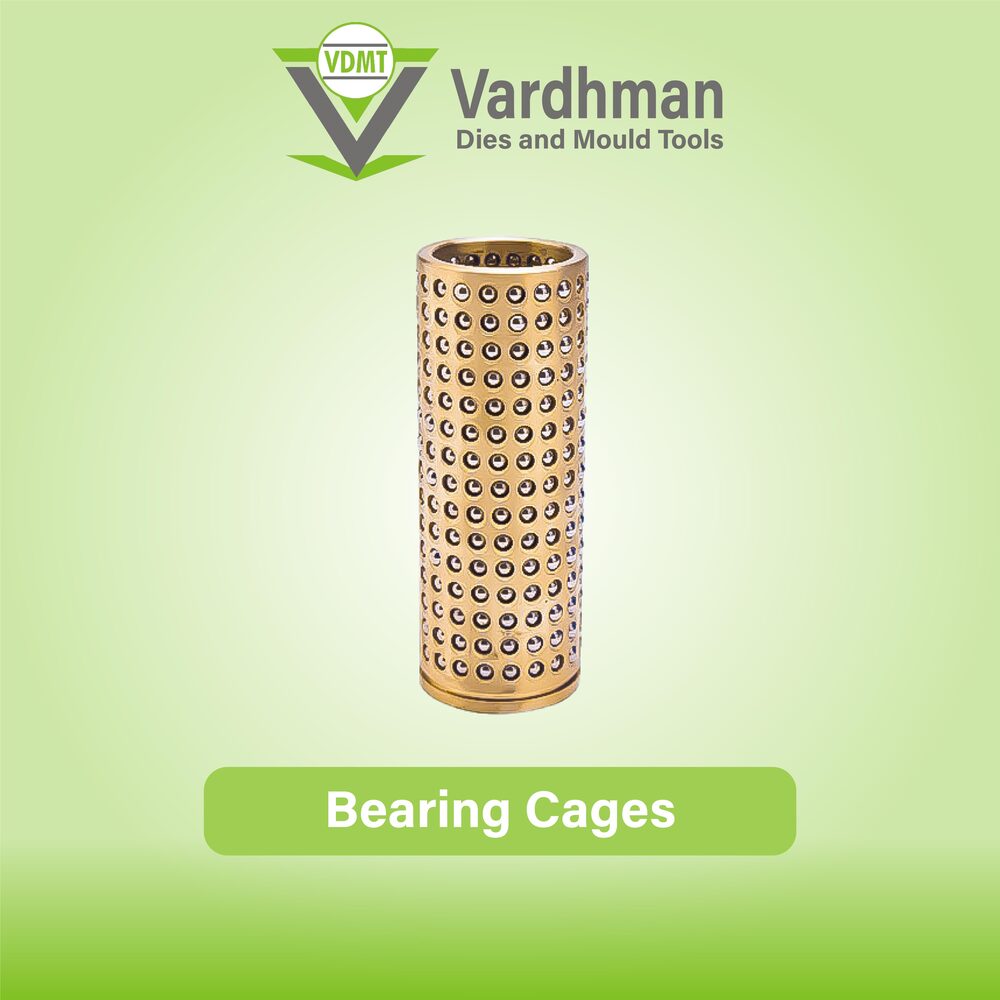
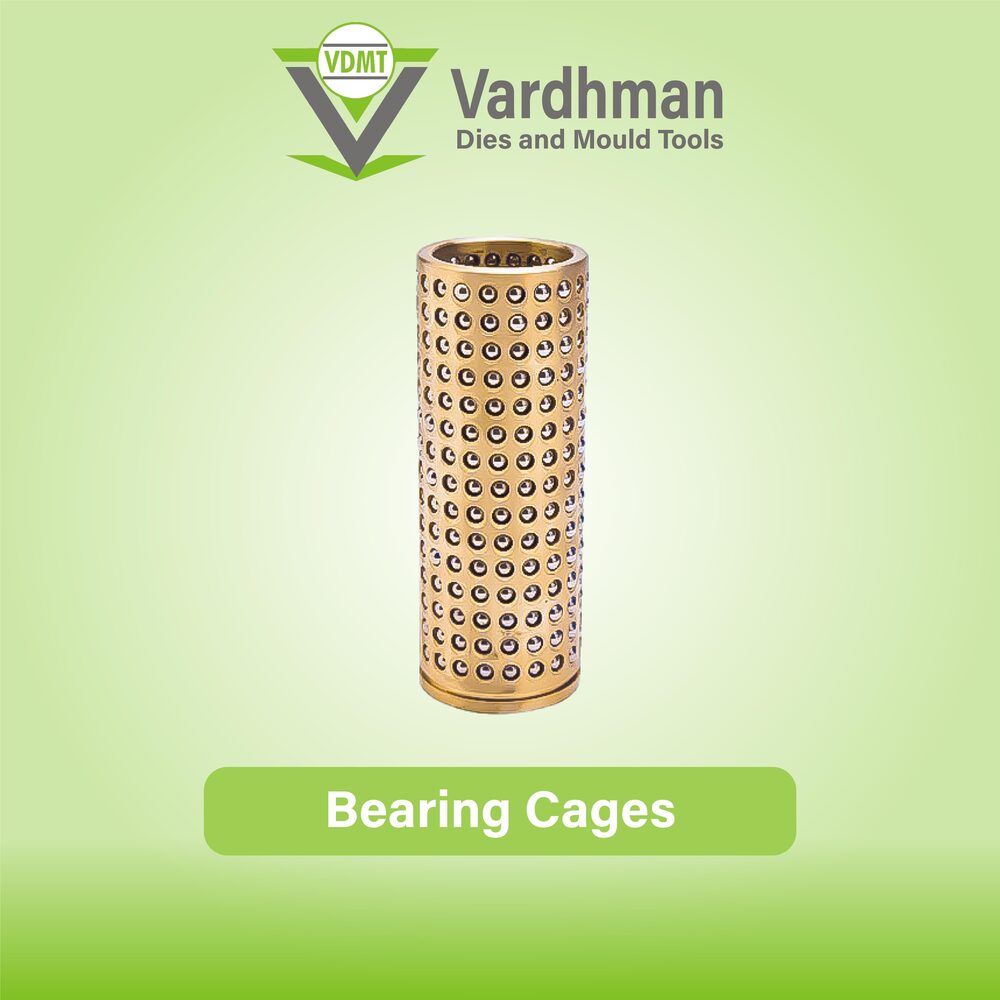
Bearing Cages
Price 550 INR / Unit
Minimum Order Quantity : 20 Units
Usage : Industrial
Color : steel , silver , brass
Product Type : Vardhman Bearing Cages
Size : customize

VARDHAMAN DIES AND MOULDS TOOLS
GST : 27COCPS8692L1ZZ

- 114, Vishal industrial Est, Goddev Phattak Rd, Bhayandar ( E ),Mira Bhayandar - 401105, Maharashtra, India
- Phone : 08045479560

- Mr. Sandeep Shah
- Mobile : 08045479560
- Send Inquiry
- Direct No. : +919820540268
 Send Inquiry
 Send Inquiry
 Send SMS
 Call Me Free
VARDHMAN DIE AND MOULDS TOOLS
All Rights Reserved.(Terms of Use)
Developed and Managed by Infocom Network Private Limited.
Developed and Managed by Infocom Network Private Limited.

